
Công ty cổ phần công nghệ và tư vấn CIC
Construction Robots and Their Practical Value for Modern Construction Sites
KOMPAS-3D V24 Launches with Major Upgrades for Mechanical Design
5 Principles for Effective BIM Implementation in Vietnam
OpenFlows Water & Sewer 2026 – Bentley’s Powerful Software Duo

enjiCAD 2027 Officially Launched with Breakthrough Performance and an Enhanced Design Experience...
Nội dung chính
Top 10 Benefits of BIM in Construction (2026)
10/06/2026
Lượt xem 18
BIM (Building Information Modeling) is a process that enables construction companies to create, manage, and optimize all project information in a digital format. This process involves developing building information models and detailed digital descriptions of construction plans or built assets. Unlike traditional building modeling methods, this modern digitalized process allows stakeholders to select and extract accurate construction information, helping contractors and project teams optimize every aspect of project delivery and maximize added value for the asset or project.
The BIM software market is now relatively saturated, with many tools offering similar features and functions. However, when used properly, most of these tools help companies save costs and improve productivity. Research shows that a large proportion of construction companies using BIM processes and tools have recorded a significant reduction in construction errors, while the overall Building Information Modeling market is projected to grow by 13.08% during 2024–2029 in the United States alone.
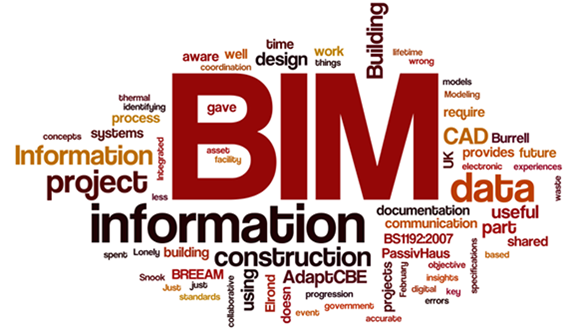
BIM is most widely used across the construction ecosystem, including architecture, engineering, and general construction. The benefits of using BIM tools and processes are substantial and multidimensional. Beyond helping construction companies deliver projects with fewer errors, these benefits include, but are not limited to:
- More accurate planning and better process optimization.
- Early clash detection.
- Improved project visuals.
- Higher overall work quality.
- Simplified access to building information.
- Reduced construction errors and schedule delays.
- Improved occupational health and safety on construction sites.
- Reduced project risks and implementation costs.
- More comprehensive construction schedule management.
- Increased construction productivity.
Let CIC take a closer look at these 10 benefits of BIM, classified by project phase, to better understand when and how each benefit creates value throughout the project lifecycle.
BENEFITS IN THE PLANNING & DESIGN PHASE
1. BIM makes planning more accurate
Unlike traditional methods that rely on computer spreadsheets, BIM collects and automates construction information directly the model. This means that error-prone manual work is replaced by automated data generation. Below are several common examples of how BIM supports day-to-day construction activities:
- Extracting and exporting material information, including required material types, quality, quantities, and dimensions, all the 3D model.
- Accurately estimating costs based on the bill of materials and other information the model.
- Identifying required costs and payment items during construction by using BIM tools and processes.
BIM also goes beyond the concept of 3D modeling by directly integrating cost data into the model through 5D BIM. This enables automated quantity takeoffs and real-time budget tracking. Cost impacts are displayed immediately whenever design changes occur, allowing teams to make informed decisions about materials and specifications before construction even begins.
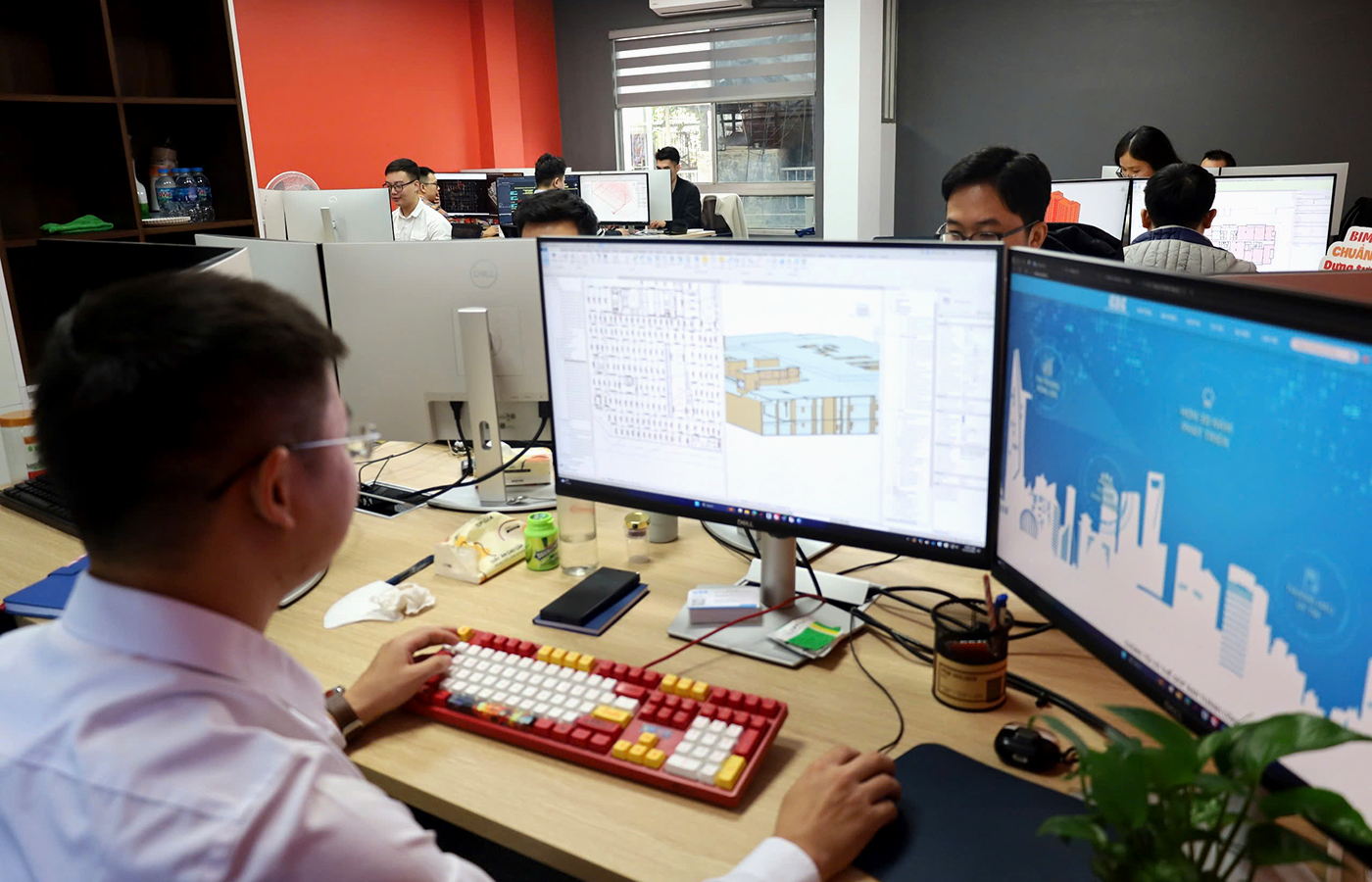
2. BIM enables early clash detection
No matter how perfect a model may look, there is always a possibility that it does not accurately reflect reality. While a construction model may appear flawless, actual site conditions are what ultimately determine its accuracy. This is where BIM proves invaluable. BIM helps identify modeling errors, such as potential clashes between electrical cables, wastewater pipes, and other mechanical, electrical, and plumbing (MEP) systems in a building.
Beyond basic spatial clashes, clash detection in modern BIM software can identify interference among different building systems, structural conflicts, and even potential accessibility issues for maintenance. This comprehensive analysis helps prevent costly changes on site and ensures that all building components can be installed and maintained properly throughout the facility lifecycle.
3. BIM improves project visualization
Sometimes clients provide only rough sketches of the building they want. However, the design intent in hand-drawn sketches can be vague, even for experienced engineers. BIM allows teams to create 3D models for easy visualization, making presentations much clearer and more effective.
This visualization becomes even more powerful when combined with a Common Data Environment (CDE), ensuring that all stakeholders work the same, most up-to-date version of the model. CDE implementation not only eliminates confusion caused by outdated drawings, but also supports real-time design coordination sessions in which multiple team members can contribute ideas simultaneously.
Read more: Explore the 5 Most Popular BIM Software Solutions for Construction Businesses
BENEFITS IN THE CONSTRUCTION PHASE
1. BIM delivers higher construction work quality
Creating a high-quality construction project requires a reliable and well-synchronized model. This can be achieved when construction teams coordinate closely with owners and developers, allocate BIM tools appropriately, and ensure that the entire project is monitored in real time and delivered as efficiently as possible.
Quality control is further enhanced by BIM’s ability to maintain detailed records of every design decision, material specification, and construction method. This establishes transparency and acability throughout the construction process. It also enables teams to refer back to exact technical specifications whenever questions arise, ensuring that the work remains aligned with the original design intent.
2. BIM simplifies access to building information
As cloud server storage has become the new standard, the era of storing information on local hard drives has come to an end. Cloud storage is especially valuable because authorized personnel can access building information anywhere in the world. It also stores data indefinitely, helping prevent the risk of data loss.
Modern BIM platforms extend this accessibility to mobile devices, allowing field teams to access the latest design drawings, technical specifications, and issue updates directly on site. This real-time field connectivity eliminates waiting time caused by outdated paper drawings and ensures that workers always have the most current project information in hand.
3. BIM reduces construction errors and schedule delays
BIM tools help reduce a large number of errors both in the model and on the construction site. Errors often occur when design offices transfer 3D models through more manual processes, such as printed drawings. BIM eliminates these problems by fully digitalizing the transfer of information and data.
Digital workflows also enable better version control and change management, ensuring that every change is communicated immediately to all stakeholders. This eliminates situations where teams work outdated data and reduces rework caused by poor communication.
4. BIM improves construction health and safety
Construction is important, but building safely is essential. Before starting any construction project, worker safety must always be the top priority, and BIM can strongly support this objective. The same applies to occupational health and safety, as BIM helps create a better construction environment and reduce on-site risks. Both risk analysis and Job Safety Analysis (JSA) are often required before carrying out complex tasks.
BIM enables detailed safety planning through clash detection, which identifies potential hazards before workers actually ener them. In addition, 3D safety simulations help define safe travel routes for equipment and plan workspace layouts. This proactive approach significantly reduces construction site accidents and improves the overall safety performance of the project.
BENEFITS IN THE POST-CONSTRUCTION & OPERATIONS PHASE
1. BIM reduces project risks and costs
Many leading construction companies that were early adopters of BIM have achieved substantial cost savings in various forms since implementation. For example, by reviewing projects at an early stage, they can reduce unnecessary construction materials and avoid waste. Many companies also find that BIM effectively helps reduce labor costs.
BIM also supports sustainability goals by accurately calculating material waste, simulating energy performance, and assessing environmental impacts during the design phase. This allows teams to optimize building performance and reduce negative environmental impacts while maintaining economic efficiency.
2. BIM supports more comprehensive construction schedule management
BIM integrates time as the fourth dimension through 4D BIM, linking every building component to the construction schedule for accurate work sequencing. This helps teams visualize the entire construction process before ground is broken, identify schedule bottlenecks early, and communicate timing expectations clearly to all project stakeholders.
When delays occur, 4D BIM helps teams quickly assess the level of impact and flexibly adjust the schedule, minimizing disruption to the project.
3. BIM increases construction productivity
Productivity in construction has increased significantly since BIM processes and software were introduced. This productivity improvement comes the automation of tasks, the adoption of new technologies in the industry, and the expansion of BIM standards and capabilities.
These productivity benefits are further extended by automating processes such as quantity takeoffs, drawing production, and specification updates—tasks that previously required extensive manual intervention. BIM’s ability to automatically update all project documentation whenever a change occurs eliminates redundant work and ensures consistency across all project deliverables.
WHAT ARE THE COMMON CHALLENGES WHEN IMPLEMENTING BIM?
In addition to its major benefits, successful BIM implementation also requires construction companies to address several common challenges during this digital transformation process.
1. Limited BIM experience
Many construction teams lack hands-on experience with BIM processes and software. The solution is to invest in intensive training programs for employees and begin with small pilot projects to gradually build internal capabilities. Companies may also consider working with experienced BIM consultants during the early implementation phase.
2. Difficulties in integrating BIM software platforms
Different software platforms often ener difficulties in exchanging data effectively, creating data silos. To address this issue, companies should carefully research software compatibility before purchasing, establish clear data exchange protocols, and prioritize BIM platforms that support open standards such as IFC (Industry Foundation Classes) to achieve better interoperability.
3. High upfront investment costs
BIM software licenses, training costs, and hardware upgrades all require a significant initial investment. Businesses can manage costs by implementing BIM in phases, prioritizing the most essential tools, and calculating long-term Return on Investment (ROI) based on fewer errors, faster project delivery, and improved efficiency to justify the initial costs.
4. Lack of BIM protocols
A lack of clear protocols causes teams to use BIM inconsistently, reducing overall effectiveness. In these situations, it is essential to establish standardized naming conventions, file management processes, collaborative workflows, and regular model quality checks to ensure that all team members follow a unified workflow.
COMPARISON TABLE OF KEY BIM IMPLEMENTATION CHALLENGES:
.png)
HOW DOES BIM DRIVE ADVANCED CONSTRUCTION TECHNOLOGIES?
BIM’s digital foundation makes it an ideal basis for integrating advanced construction technologies that are transforming the industry landscape. By providing accurate models enriched with extensive data, BIM creates a strong foundation for modern manufacturing processes and smart building systems, improving performance, quality, and long-term operational efficiency.
Prefabrication and off-site manufacturing
BIM revolutionizes prefabricated construction by creating highly accurate digital models. This allows manufacturers to produce building components off site with exceptional precision. These detailed 3D models provide exact dimensions, material specifications, and connection details, supporting automation in production, reducing waste, and improving quality control. Components are delivered to the construction site ready for assembly, significantly shortening construction time and minimizing weather-related delays. The integration of BIM with prefabrication also enables better coordination between design teams and manufacturing workshops, ensuring that prefabricated elements fit perfectly with on-site construction works. Compared with traditional methods, this approach both reduces waste and ensures quality through tightly controlled manufacturing processes. The result is faster project delivery, lower labor costs, and consistently high-quality components.
- IoT integration and smart building technologies
- BIM models create an essential foundation for integrating Internet of Things (IoT) sensors and smart building technologies, enabling real-time data collection throughout construction and operation. During the construction phase, IoT equipment supports:
- Monitoring concrete curing progress.
- Tracking the location of construction machinery and equipment.
- Ensuring that environmental conditions meet required standards.
- All data transmitted IoT hardware is linked directly to specific components in the BIM model. This integration creates a comprehensive data ecosystem in which the building’s actual performance is continuously measured and compared with the original design intent.
The true power of IoT technology is realized when data these sensors is synchronized into a BIM coordination platform, creating a data-rich digital environment that facility managers can easily navigate and analyze. Temperature sensor systems, energy meters, occupancy detectors, and equipment monitoring systems provide continuous streams of information that reveal the building’s real operational performance compared with the design specifications.
This combination of technologies transforms static BIM models into powerful interactive, data-driven tools. It strengthens evidence-based decision-making and addresses a wide range of challenges, energy optimization to space utilization planning. This is the essential data foundation that coordination platforms such as Revizto use for visualization and management, helping ensure the long-term success of every building asset.
CONCLUSION
The many benefits of BIM have made its tools essential for construction companies of all sizes. Beyond supporting model review and error detection, BIM significantly increases the probability of project success and delivers outstanding outcomes for construction projects. It is a clear example of a major technological evolution in the construction industry.
KEY TAKEAWAYS
- BIM transforms construction by creating comprehensive digital models that combine 3D design, cost data, and schedule information to support more informed decisions throughout the project lifecycle.
- Early clash detection and visualization prevent costly on-site changes and improve communication among all project participants, design through construction.
- Digital coordination platforms and Common Data Environments eliminate communication gaps, ensuring that every team member always works with accurate and up-to-date project data.
- BIM implementation requires companies to address challenges such as training needs, software compatibility, and initial setup costs. However, it delivers a highly positive ROI by reducing technical errors, shortening delivery time, and improving overall efficiency.
- Advanced technologies such as prefabrication, IoT integration, and predictive maintenance extend the value of BIM beyond construction into long-term facility operations and smart building management.
- Synchronizing BIM workflows with dedicated coordination software platforms enables the creation of Digital Twins, providing a strong foundation for data-driven facility management and continuous optimization of building performance.
As a leading technology and consulting company in Vietnam with more than 35 years of experience, CIC provides comprehensive BIM consulting services that help businesses take the initiative in digital transformation and improve their competitiveness. In the context of Vietnam’s new era of growth, the BIM & Digital Twins Center under CIC Technology and Consulting Joint Stock Company (CIC) is proud to be a pioneer in construction technology and consulting in Vietnam. We continuously innovate to deliver the most effective technology solutions for the construction industry. Among these solutions, BIM consulting services—based on Building Information Modeling—are one of our core strengths.
As one of Vietnam’s leading technology and consulting companies with more than 35 years of experience, CIC provides comprehensive BIM consulting services that help businesses proactively drive digital transformation and enhance their competitive capabilities. Established in the context of Vietnam’s new era of national development, the BIM & Digital Twins Center under CIC Technology and Consulting Joint Stock Company (CIC) is proud to be a pioneer in technology and construction consulting in Vietnam. We continuously innovate to deliver the most optimal technology solutions for the construction industry, with BIM consulting services (Building Information Modeling) being one of our core strengths.
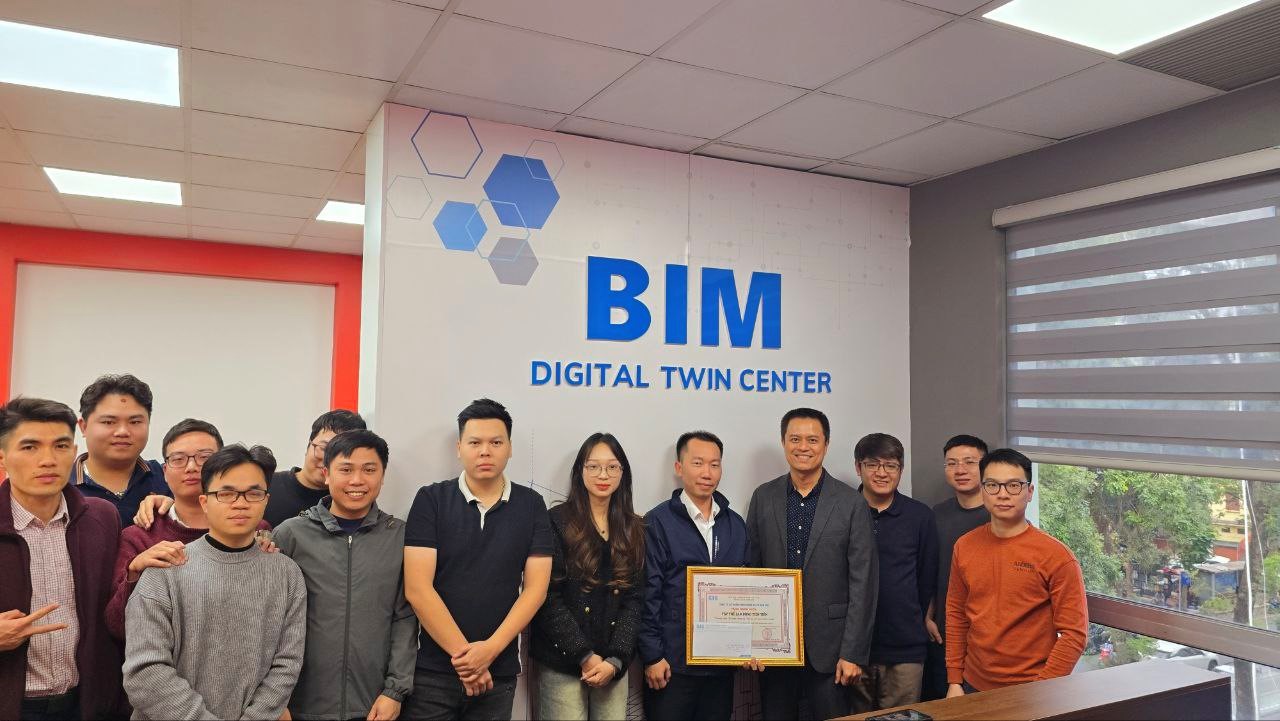
CIC – A Trusted BIM Consulting Partner in Vietnam
With a pioneering mission in construction technology, CIC is committed to delivering comprehensive BIM solutions that help construction businesses in Vietnam enhance their competitiveness and keep pace with global technology trends.
By partnering with CIC, businesses gain access not only to advanced technology solutions, but also to dedicated support throughout the implementation and application of BIM in the most effective way.
>>> Register for a free consultation here!
CONTACT OUR TEAM OF EXPERTS
- Phone: 086 893 4576 - 024 3976 1381
- Email: info@cic.com.vn
Sources: Revizto


