Công ty cổ phần công nghệ và tư vấn CIC
Specialized
Home > News > Specialized > Construction Robots and Their Practical Value for Modern Construction Sites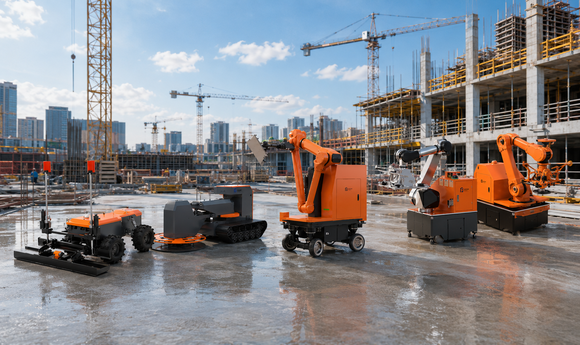
Construction Robots and Their Practical Value for Modern Construction Sites

KOMPAS-3D V24 Launches with Major Upgrades for Mechanical Design
5 Principles for Effective BIM Implementation in Vietnam
OpenFlows Water & Sewer 2026 – Bentley’s Powerful Software Duo

enjiCAD 2027 Officially Launched with Breakthrough Performance and an Enhanced Design Experience...
Nội dung chính
Construction Robots and Their Practical Value for Modern Construction Sites
18/09/2026
Lượt xem 0
Construction robots are no longer limited to experimental models or visions of future construction sites. As project schedules become increasingly demanding, acceptance requirements become more stringent, and skilled labor becomes harder to manage, robots are gradually emerging as a solution that helps contractors improve productivity, standardize quality, and manage construction sites through data.
However, customers do not invest in robots simply because they represent new technology. What they truly need is greater control over four critical factors: schedule, quality, labor, and cost. This is how construction robots and the value they can bring to construction businesses should be evaluated.
What Are Construction Robots?
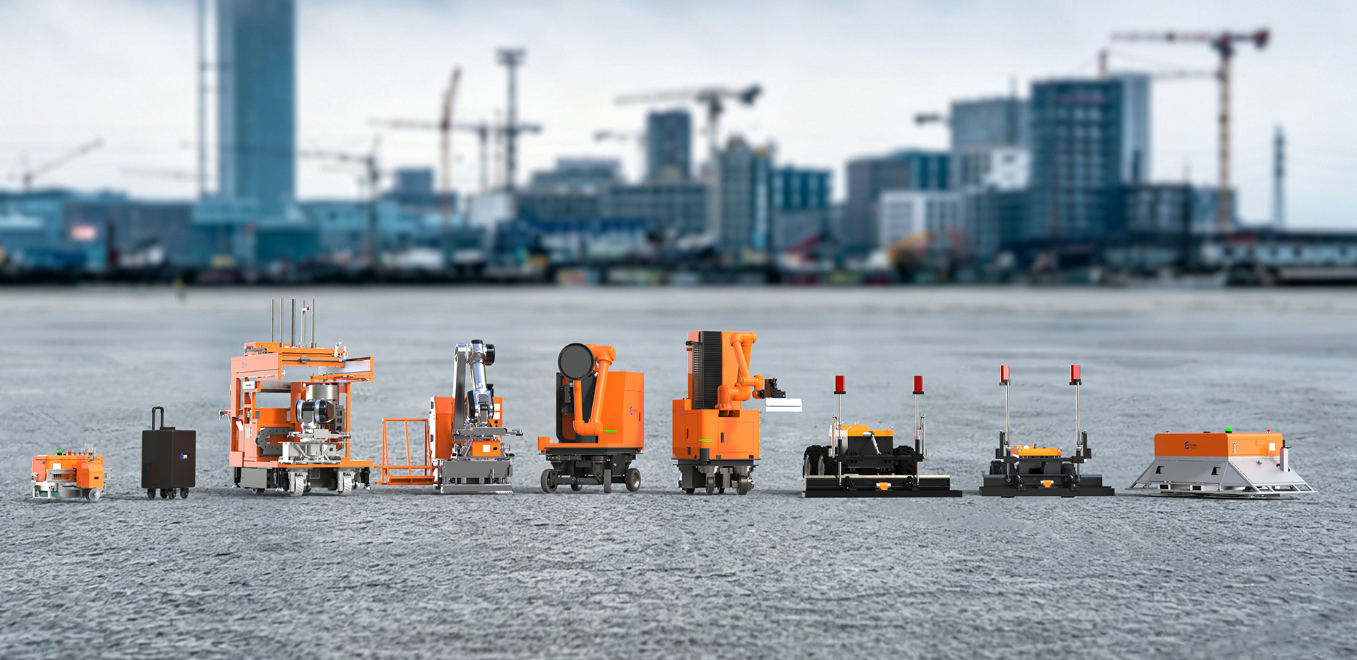
Construction robots are electromechanical devices designed to perform one or more construction, finishing, measurement, or inspection tasks on a construction site.
Depending on their application, robots may integrate:
-
Automated positioning and navigation systems;
-
Laser, LiDAR, or 3D sensors;
-
Robotic arms and specialized actuators;
-
Algorithms for controlling movement and construction workflows;
-
BIM models and digital drawings;
-
IoT platforms for remote monitoring, maintenance, or data management.
Unlike conventional construction machinery, robots do more than provide mechanical force. They can also perceive their surroundings, control their movement paths, maintain construction parameters, and record results according to predefined workflows.
This trend is also consistent with the digital transformation direction of Vietnam’s construction industry. The Ministry of Construction has identified the application of automated machinery and robotics in construction processes as one of the industry’s major technological priorities, aiming to improve productivity, quality, and occupational safety.
Why Do Construction Sites Need Construction Robots?
On many construction sites, certain activities still depend heavily on the experience, physical capacity, and consistency of individual work crews. This creates several familiar risks:
-
Productivity varies according to the number and skill level of workers;
-
Quality differs between areas or work shifts;
-
Schedules are easily affected by labor shortages;
-
Repetitive, physically demanding, or dusty tasks place considerable pressure on workers;
-
Errors may only be discovered during acceptance inspections, resulting in repairs and rework;
-
Site data may not be synchronized with BIM models and quality management records.
Construction robots are developed specifically for tasks that cover large areas, involve repeated operations, require high consistency, and can be standardized.
For this reason, the value of a robot should be evaluated based on the efficiency of the entire workflow rather than by simply comparing the equipment purchase price with the cost of hiring a team of workers.
1. Improving Productivity and Protecting Construction Schedules
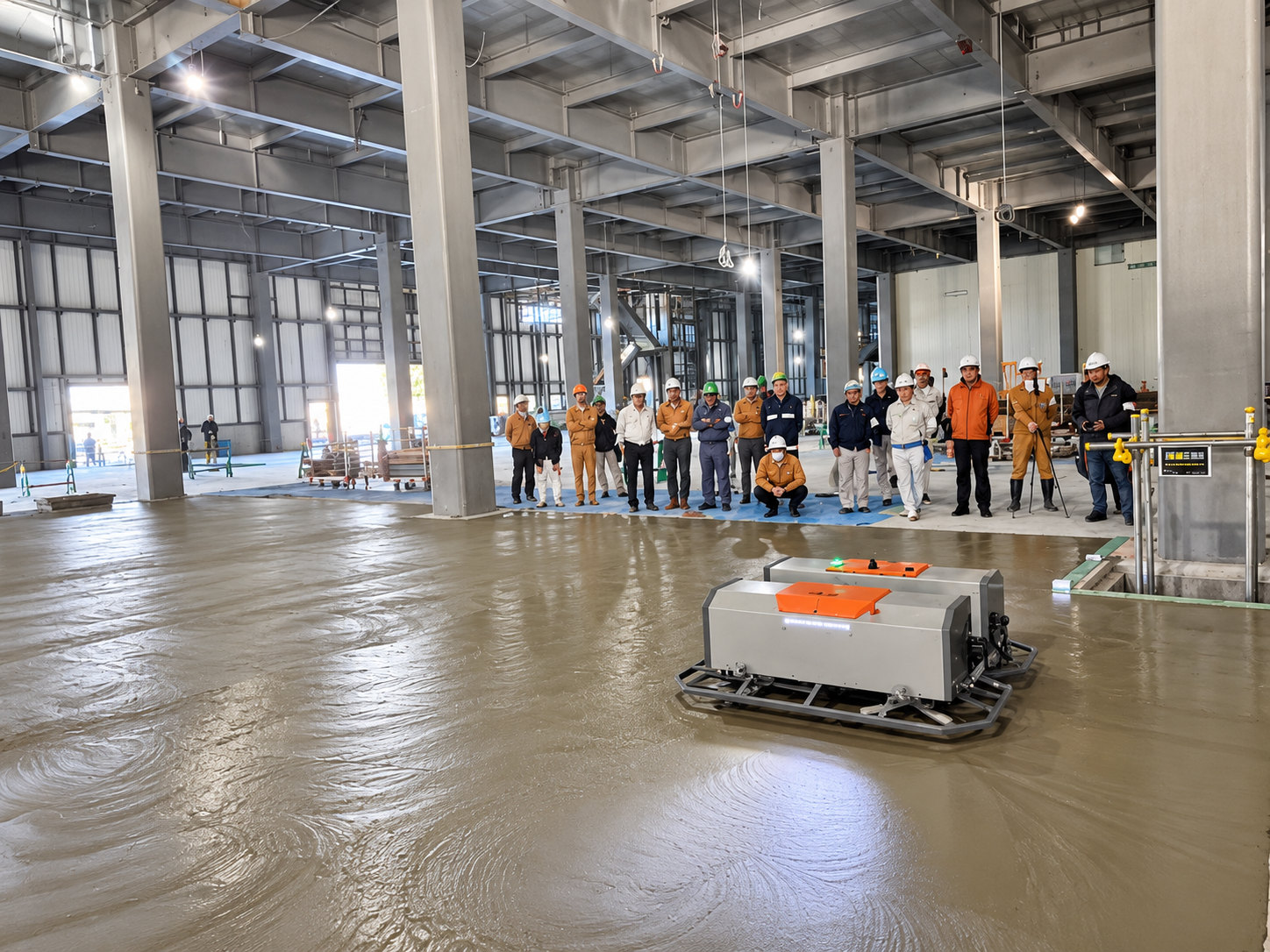
The most apparent benefit of construction robots is their ability to maintain consistent productivity for high-volume tasks.
According to the specifications published by the manufacturer, the ZP420B laser concrete screeding robot and MG210B concrete power-troweling robot can achieve reference productivity levels of 400–600 m² per hour under suitable construction conditions.
The JPD433D integrated putty spraying and sanding robot has the following reference productivity levels:
-
Emulsion paint spraying: 150–200 m² per hour;
-
Putty spraying: 60–100 m² per hour;
-
Sanding: 60–100 m² per hour;
-
Putty spraying and leveling: 60–80 m² per hour.
Meanwhile, the TZ432B floor tile-laying robot can reach a maximum productivity of approximately 120 m² per day in indoor areas with suitable floor layouts and tile dimensions.
For factories, logistics warehouses, parking facilities, commercial centers, apartment buildings, airports, and railway stations, consistent productivity helps contractors:
-
Shorten the completion time for each construction zone;
-
Reduce the risk of delays caused by labor shortages;
-
Plan and allocate work crews more proactively;
-
Forecast daily or shift-based output more accurately;
-
Accelerate handover to subsequent construction activities.
These figures are based on data published by the manufacturer. Actual productivity in Vietnam will depend on site conditions, materials, construction organization, operator capability, and overall site readiness.
2. Reducing Dependence on Direct Construction Labor
For many contractors, the concern is not only rising labor costs but also the ability to mobilize enough skilled workers at the right time.
Robots help shift part of the work a model involving “many people performing tasks directly” to one involving “fewer people focusing on operation, supervision, and quality control.”
For example, robots can perform repetitive operations such as:
-
Screeding and power-troweling concrete floors;
-
Spraying putty and paint and sanding surfaces;
-
Picking up, applying adhesive to, and placing tiles;
-
Moving between measurement points;
-
Collecting and processing geometric site data.
People continue to play an essential role in preparing work areas, supplying materials, configuring parameters, handling complex locations, supervising safety, and inspecting completed work.
Construction robots should therefore not be viewed simply as a means of “replacing people.” Their greater value lies in helping businesses use their workforce more efficiently, reducing the number of workers required to perform physically demanding tasks, and allowing experienced personnel to focus on higher-value responsibilities.
The International Federation of Robotics also recognizes that robots are particularly suitable for tasks that are dirty, dull, dangerous, or require high precision, allowing workers to concentrate on more specialized responsibilities.
3. Standardizing Quality and Reducing the Risk of Rework
With manual construction methods, output quality can vary according to each worker’s skills, health, concentration, and experience.
Robots operate according to predefined parameters, allowing them to maintain more consistent movement and construction workflows across large areas.
Some clearly recognizable benefits include:
-
Controlling elevation during concrete floor screeding;
-
Maintaining floor flatness and surface finish;
-
Controlling spraying angles and distances;
-
Maintaining tile joints and elevation differences between tiles;
-
Repeating the same workflow across multiple areas;
-
Reducing errors caused by inconsistent manual operations.
According to published specifications, the ZP420B screeding robot uses a laser system with a detection accuracy of 2 mm and maintains surface deviation at a reference level of no more than 5 mm. Under suitable conditions, the TZ432B tile-laying robot achieves a reference accuracy of ±0.5 mm for tile joints and elevation differences.
Reducing errors during construction can help contractors limit:
-
Repairs following acceptance inspections;
-
Additional material consumption;
-
Extended finishing time;
-
Disputes between work crews;
-
Adverse effects on subsequent construction activities.
The economic value of robots therefore lies not only in reducing labor requirements but also in avoiding potential rework costs.
4. Improving Safety and Working Conditions
Concrete power-troweling, paint spraying, sanding, and transporting large-format tiles are physically demanding activities that may cause fatigue, affect musculoskeletal health, or expose workers to dust and construction materials.
When robots perform repetitive or physically demanding parts of the work, operators can remain in more appropriate monitoring positions.
Remote-controlled robots can significantly reduce the amount of time workers must spend moving directly through active construction zones. Electric- or battery-powered models also produce no direct exhaust emissions at the work location, unlike equipment powered by internal combustion engines.
However, robots do not automatically eliminate every risk. Construction sites must still establish operating zones, human–machine coordination procedures, obstacle control measures, operator training programs, and full compliance with safety regulations.
5. Integrating Data into QA/QC Activities
One of the distinctive benefits of next-generation construction robots is their ability to connect physical construction activities with digital data.
The CLM32150A-BB real-time construction site measurement robot uses 3D measurement technology to automatically collect indicators such as:
-
Distance and position;
-
Verticality;
-
Levelness;
-
Surface flatness;
-
Geometric deviations at inspection points.
The workflow can begin with a BIM model and a measurement-point plan. The robot then conducts measurements automatically, generates reports, and uploads the data to the management system.
This helps technical and QA/QC teams:
-
Inspect more locations;
-
Reduce the time required for manual measurement and data entry;
-
Standardize reporting templates;
-
Identify deviations at an early stage;
-
Compare design information with actual site conditions;
-
Create a database for acceptance and handover.
The Ministry of Construction has also recognized that combining BIM, information management systems, and process automation can help businesses optimize operations and improve management efficiency.
6. Strengthening Contractors’ Competitiveness
For general contractors and specialist contractors, investing in robots can also deliver strategic value.
The ability to demonstrate productivity, accuracy, and acceptance data helps businesses:
-
Develop more convincing construction method statements;
-
Improve their ability to deliver large-scale projects;
-
Standardize processes across multiple construction sites;
-
Differentiate their bidding proposals;
-
Reduce dependence on particular work crews or temporary labor;
-
Develop the image of a technology-driven contractor operating smart construction sites.
Fangshi’s finishing and tile-laying robot solutions have been presented by the Hong Kong Construction Innovation and Technology Application Centre under its “Automation and Robotics” category. This source also records reference applications at digital infrastructure projects, airports, and high-speed railway stations.
Four Groups of Construction Robots Distributed by CIC
CIC currently focuses on four groups of solutions designed for high-volume construction activities that require a high degree of standardization.
Concrete Floor Finishing Robots
This group includes:
-
ZP420B four-wheel laser concrete screeding robot;
-
MG210B concrete power-troweling and finishing robot.
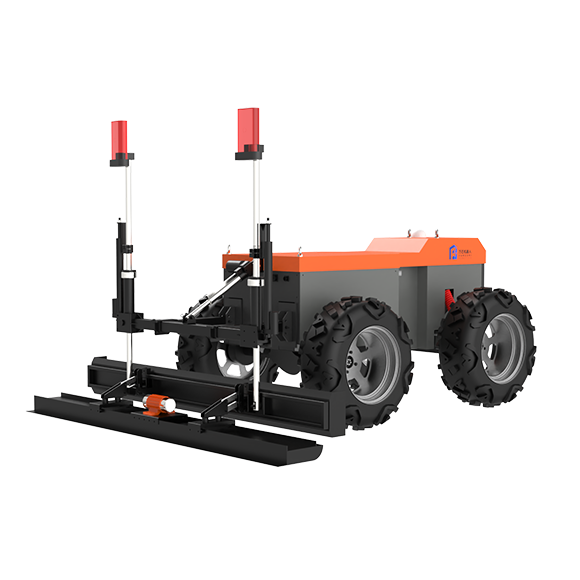
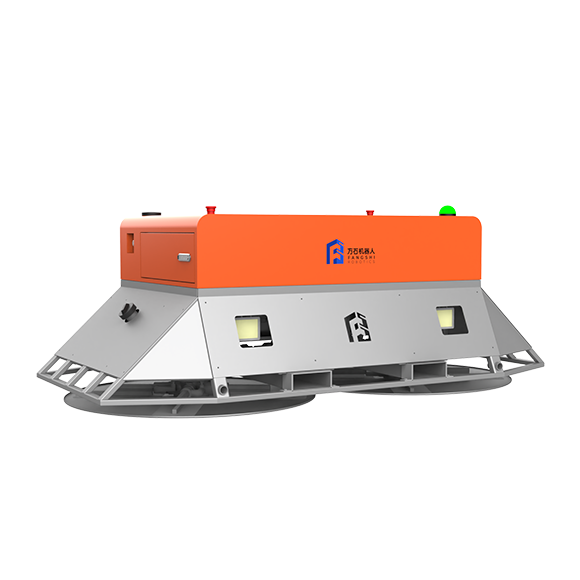
These solutions are suitable for factory floors, logistics warehouses, parking facilities, commercial complexes, industrial floors, and other large-scale concrete surfaces.
JPD433D Integrated Putty Spraying and Sanding Robot
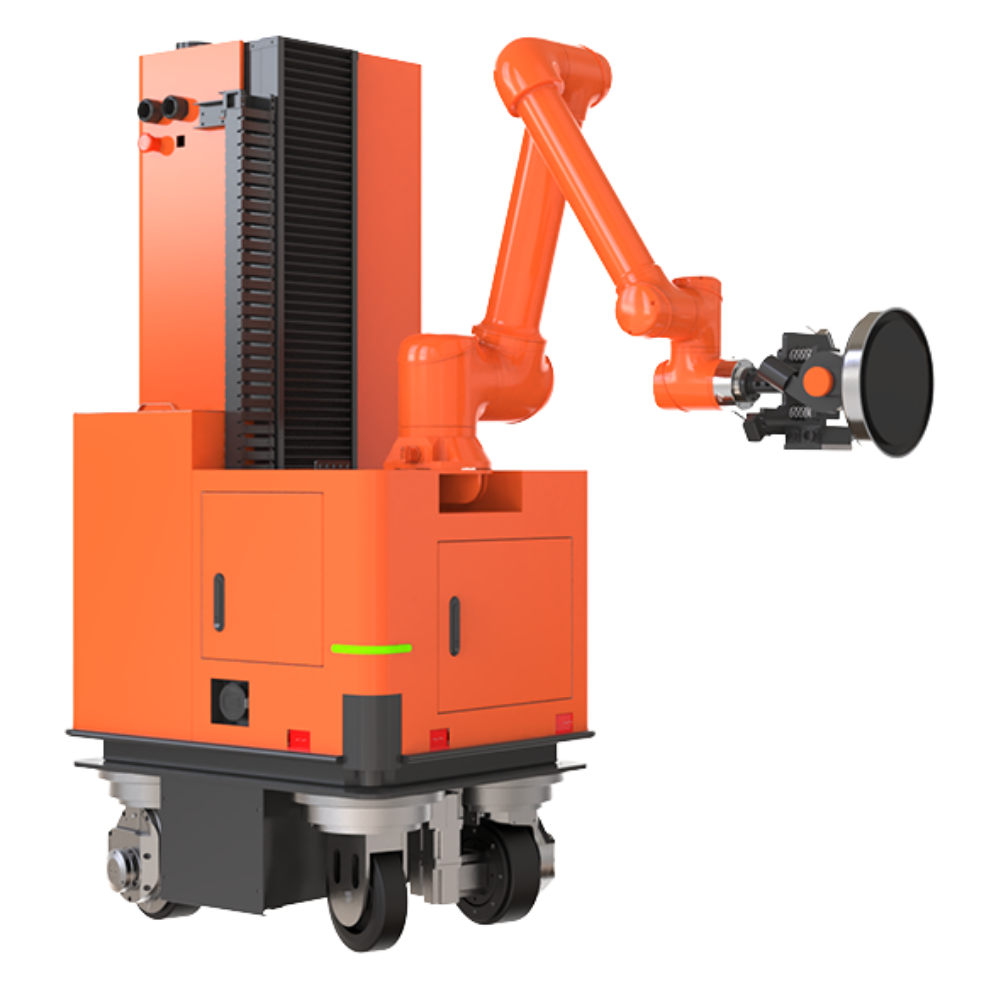
By changing its working head, the robot can spray emulsion paint, spray putty, level putty, and sand surfaces.
The equipment is suitable for apartment buildings, hotels, offices, and projects with large wall and ceiling areas and relatively repetitive designs.
TZ432B Floor Tile-Laying Robot
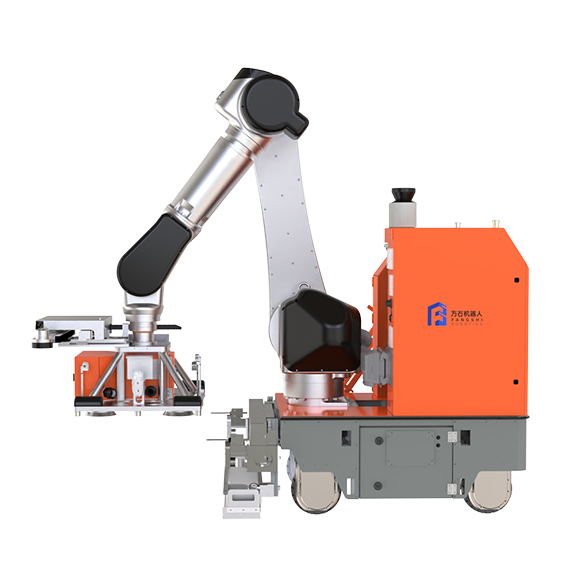
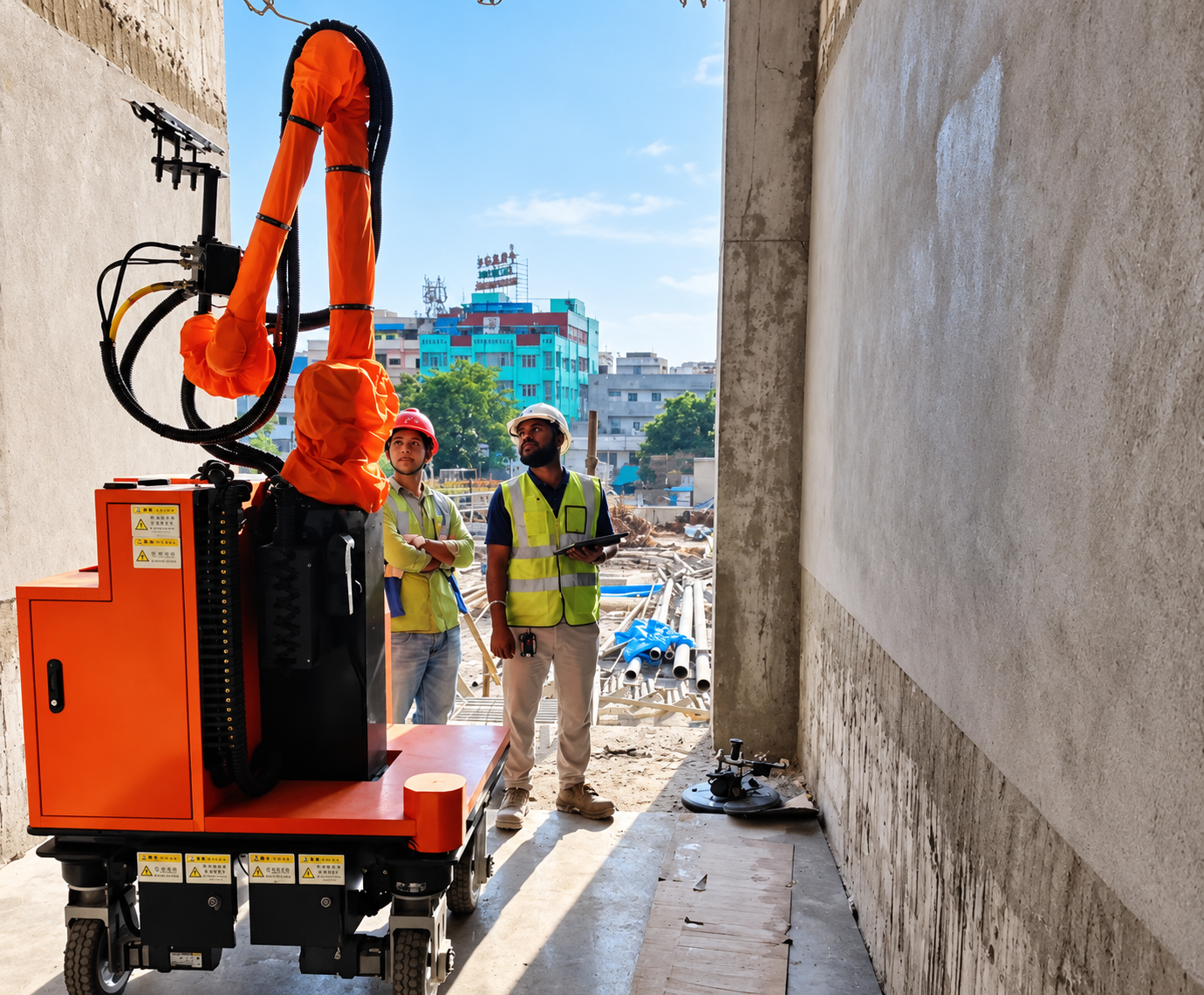
The robot uses a six-axis robotic arm, sensors, and an autonomous mobile platform to support the processes of picking up tiles, applying adhesive, and placing tiles.
The solution is suitable for large-format tiles in apartment buildings, offices, commercial centers, hotels, airports, railway stations, and public areas. Locations close to walls, narrow corners, or complex floor layouts may still require manual assistance.
Real-Time Construction Site Measurement Robot
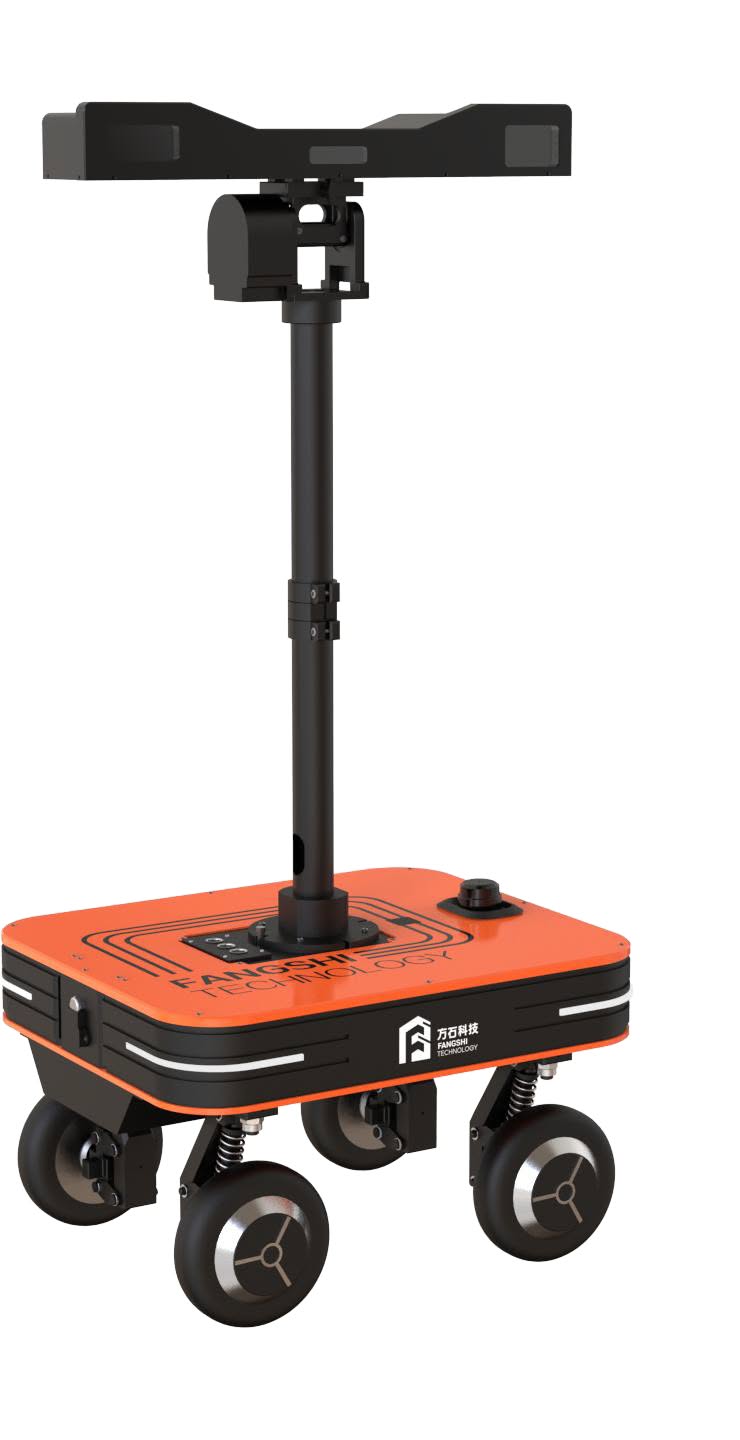
The CLM32150A-BB robot helps automate construction geometry measurement, generate reports, and connect measurement data with BIM models or management systems.
This solution is suitable for technical, BIM, QA/QC, and project management teams working for general contractors, consulting firms, and project owners.
Which Businesses Should Consider Construction Robots?
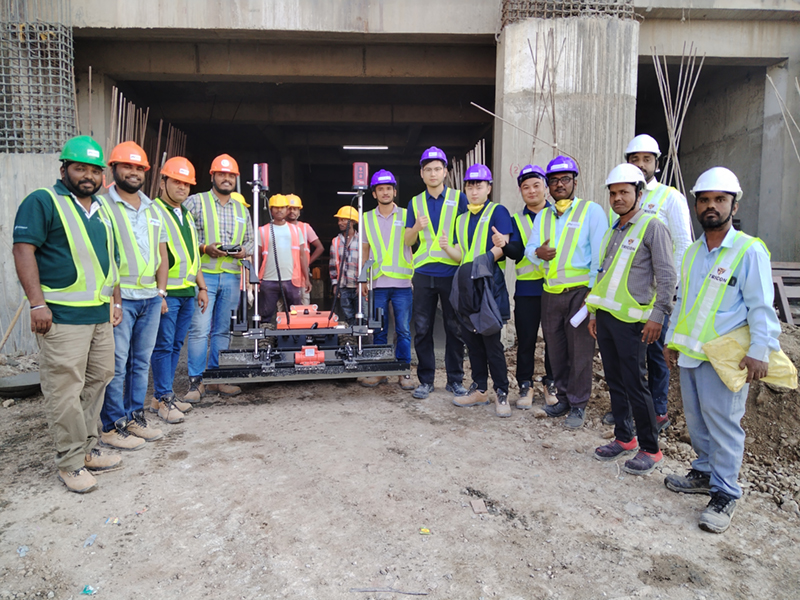
Construction robots are particularly suitable for:
-
General contractors delivering multiple projects simultaneously;
-
Concrete flooring and industrial flooring contractors;
-
Large-scale interior finishing contractors;
-
Contractors constructing factories, logistics warehouses, and data centers;
-
Contractors working on apartment buildings, hotels, and commercial centers;
-
Infrastructure contractors requiring site measurement and digitization;
-
Construction machinery and equipment rental companies;
-
Project owners seeking to promote smart construction site models.
Businesses such as VinCons, Coteccons, Hoa Binh Construction Group, FECON, and contractors with similar operating models may consider using robots for projects involving sufficiently large and repetitive construction volumes.
When Does Investing in Construction Robots Deliver Value?
Robots are not suitable for every construction site. Investment efficiency is generally higher when a business has:
-
A sufficiently large and continuous workload;
-
A relatively open and standardizable work area;
-
Stable material preparation and preceding construction activities;
-
A plan for transferring equipment between multiple projects;
-
Personnel trained to operate and maintain the equipment;
-
A supplier capable of providing technical support, spare parts, and troubleshooting services.
Before investing, contractors should conduct a pilot project and measure at least the following indicators:
-
Hourly or daily output;
-
Number of direct workers required;
-
Construction cost per square meter;
-
First-pass acceptance rate;
-
Volume of repairs or rework;
-
Setup time and equipment downtime;
-
Equipment utilization rate;
-
Operating and maintenance costs.
Only when these indicators are fully monitored can a business accurately calculate the payback period and choose between purchasing, renting, or using robots as a service.
Construction Robots: Investing in Results, Not Just Equipment
The greatest value of construction robots does not come simply adding an advanced piece of equipment to a construction site. Their real value lies in transforming a task that previously depended heavily on people into a measurable, controllable, and repeatable process.
A business is not merely purchasing a robot. It is investing in:
-
More predictable schedules;
-
More consistent quality;
-
Less dependence on labor;
-
Safer working conditions;
-
More transparent site data;
-
Greater competitiveness.
For general contractors and contractors delivering large-scale projects, the appropriate first step is not necessarily to invest in multiple robots immediately. A business can begin by selecting one high-volume construction activity, conducting a pilot, measuring its effectiveness, and developing a roadmap for broader implementation.
CIC supplies Fangshi Construction robot solutions in Vietnam and supports businesses in surveying site conditions, selecting suitable models, developing implementation plans, and evaluating investment efficiency.
CIC CONSTRUCTION TECHNOLOGY AND CONSULTANCY JOINT STOCK COMPANY
Website: www.cic.com.vn
Email: info@cic.com.vn
Hotline: 036 575 6854 (Ms. Huyen)