Công ty cổ phần công nghệ và tư vấn CIC
Specialized
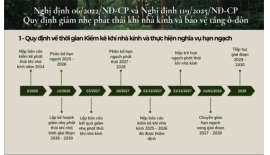
Home > News > Specialized > What Is a Low Emission Zone? Impacts and What Businesses Need to Prepare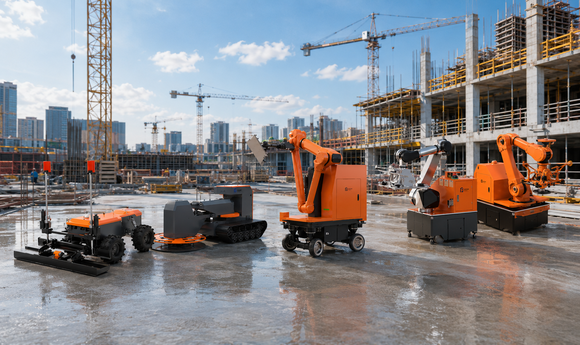
Construction Robots and Their Practical Value for Modern Construction Sites
KOMPAS-3D V24 Launches with Major Upgrades for Mechanical Design
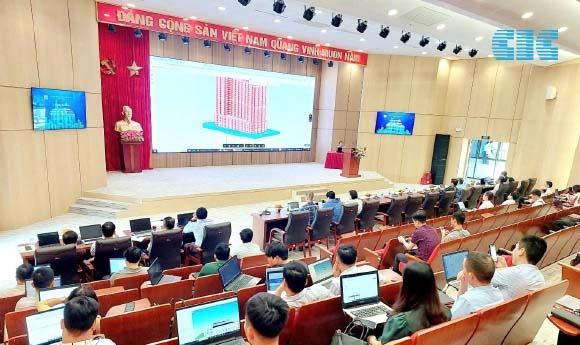
5 Principles for Effective BIM Implementation in Vietnam
OpenFlows Water & Sewer 2026 – Bentley’s Powerful Software Duo
enjiCAD 2027 Officially Launched with Breakthrough Performance and an Enhanced Design Experience...
Nội dung chính
What Is a Low Emission Zone? Impacts and What Businesses Need to Prepare
28/07/2026
Lượt xem 6
Hanoi’s implementation of Low Emission Zones marks a shift in urban transport management, moving vehicle control based on vehicle type to control based on fuel type, vehicle age and emission levels.
So, what is a Low Emission Zone, which types of vehicles may be restricted, and how will this policy affect business operations?
For transportation, logistics, delivery and retail businesses, as well as companies that own private vehicle fleets, this is not merely a transport issue. The Low Emission Zone roadmap may directly affect delivery times, transport routes, fuel costs, customer accessibility and vehicle investment plans.
Businesses therefore need to review their transportation activities, standardise fuel and emissions data, and develop appropriate transition plans for each stage of implementation.
What Is a Low Emission Zone?
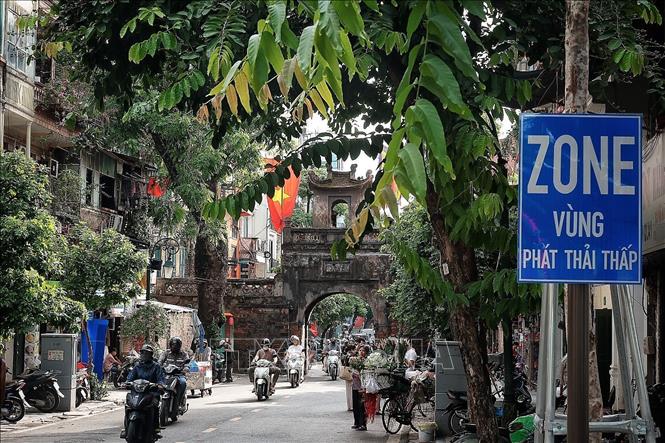
A Low Emission Zone, commonly abbreviated as LEZ, is a designated area where measures are applied to restrict polluting vehicles, thereby contributing to improved air quality.
Within a Low Emission Zone, vehicles may be controlled based on one or more of the following factors:
- The type of fuel used by the vehicle.
- The year of manufacture or import.
- The applicable emission standard.
- The vehicle’s gross weight.
- The vehicle’s intended use.
- Its permitted operating hours and geographical area.
Vehicles with high emission levels may be restricted or prohibited operating in certain areas and during specific periods. Conversely, vehicles using clean energy, public transport vehicles and vehicles meeting emission requirements may be given favourable operating conditions.
A Low Emission Zone does not mean that all petrol- or diesel-powered vehicles will immediately be banned. Measures will be implemented according to the geographical area, vehicle category, operating hours and roadmap approved by the competent authorities.
How Do Low Emission Zones Affect Businesses?
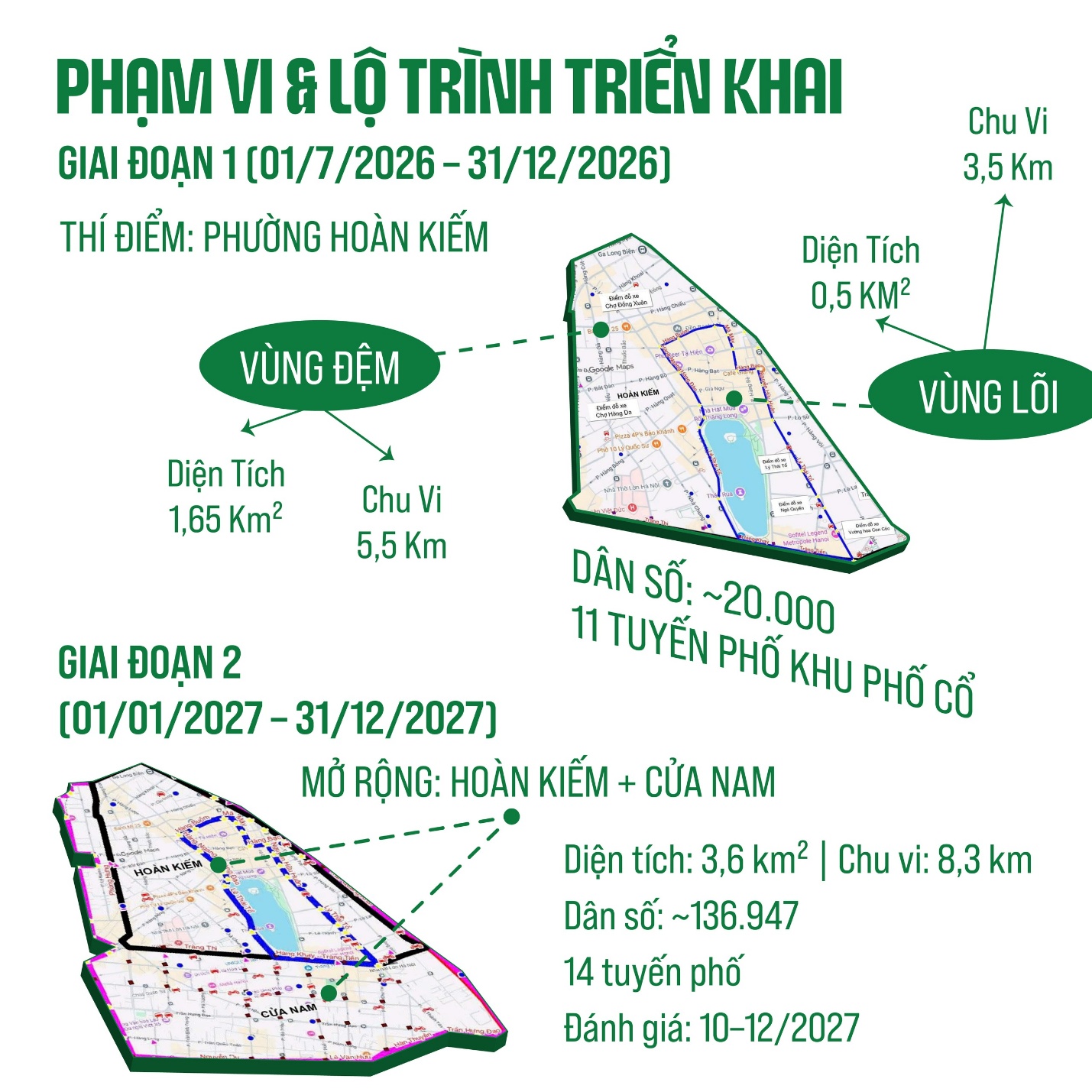
Source: Hanoi People’s Committee Electronic Information Portal
The implementation of Low Emission Zones may directly affect businesses involved in:
- Passenger and freight transportation.
- Logistics and delivery services.
- Ride-hailing and delivery services operated through digital platforms.
- Hotels, restaurants, retail outlets and service businesses in central areas.
- Businesses owning vehicle fleets for employees, customers or internal transportation.
- Businesses whose suppliers regularly deliver goods into restricted areas.
Regulations concerning operating hours, vehicle weight, fuel type and emission standards may affect delivery schedules, transport routes, customer accessibility and operating costs.
Businesses need to monitor the scope of application during each stage to avoid operational disruptions as vehicle-control measures are expanded.
What Should Businesses Prepare for the Low Emission Zone Roadmap?
Review the Vehicle Fleet
Businesses need to compile information on:
- The number of vehicles owned or leased for operation.
- Vehicle types and fuels used.
- The year of manufacture or import.
- The gross vehicle weight.
- Fuel consumption.
- Operating frequency and geographical coverage.
- Routes that regularly pass through Low Emission Zones.
- Applicable emission standards, where verified information is available.
This review helps identify vehicles that may be at risk of restrictions and supports the development of appropriate replacement plans.
Adjust Transportation and Delivery Plans
Businesses need to reassess:
- Goods delivery and collection times.
- Transport routes.
- Consolidation and transshipment points.
- The types of vehicles used in each area.
- The possibility of consolidating multiple orders into the same journey.
- The possibility of hiring transport providers whose vehicles meet emission requirements.
Making early adjustments can help reduce waiting times, delivery delays and additional costs arising when vehicles are restricted during certain operating hours.
Develop a Fleet Transition Roadmap
Businesses do not necessarily need to replace their entire vehicle fleet at the same time. The transition should prioritise vehicles that:
- Are relatively old.
- Consume large amounts of fuel.
- Generate high maintenance costs.
- Frequently operate within Low Emission Zones.
- May not meet applicable emission standards.
- Travel distances suitable for electric vehicles.
The transition plan should be assessed based on the total cost of ownership, charging infrastructure, operational requirements, payback periods and the ability to maintain continuous operations.
Businesses Need to Proactively Manage Emissions Data
The introduction of Low Emission Zones shows that data relating to vehicles, fuels and emissions will play an increasingly important role in corporate management.
Instead of collecting data only when reporting is required, businesses should treat emissions data as part of their operational data system.
Information that should be managed includes:
- The number and types of vehicles.
- Types of fuel used.
- Fuel consumption.
- Distance travelled.
- Transported loads.
- The year of manufacture of each vehicle.
- Vehicle inspection and emission-testing results.
- Fuel, maintenance and operating costs.
- The corresponding amount of greenhouse gas emissions.
- The proportion of vehicles using clean energy.
Data should be systematically stored, regularly updated and supported by documents such as fuel invoices, travel logs, GPS data, vehicle inspection records and data provided by transportation service providers.
Read more: E10 Gasoline – Biofuel Contributing to Greenhouse Gas Emission Reductions
What Are the Benefits of Managing Emissions Data?
Comprehensive management of vehicle and fuel data helps businesses:
- Identify vehicles with high fuel consumption and emission levels.
- Assess the risk of vehicle restrictions as Low Emission Zones expand.
- Select vehicles that should be prioritised for replacement.
- Optimise transport routes and schedules.
- Control fuel costs.
- Evaluate the effectiveness of investments in electric vehicles.
- Monitor the results of emission-reduction measures.
- Prepare data for greenhouse gas inventories.
- Support ESG reporting and supply-chain requirements.
Reliable data enables businesses to make transition decisions based on actual efficiency rather than replacing vehicles simultaneously based on subjective assumptions.
Connect Transportation Data with Greenhouse Gas Inventories
For vehicles owned or controlled by a business, fuel consumption may generate direct greenhouse gas emissions.
For outsourced transportation activities, emissions may be considered within the value chain, depending on the organisational inventory boundary and the applicable reporting standard.
Businesses should connect transportation data with their greenhouse gas inventory systems in order to:
- Avoid collecting the same data multiple times.
- Standardise emission factors and calculation methods.
- Track emissions across different reporting periods.
- Compare performance between routes and vehicles.
- Set measurable emission-reduction targets.
- Prepare reports that can be reviewed and verified.
This integration is particularly important for manufacturing, distribution, logistics and retail businesses, as well as companies with extensive transportation supply chains.
Explore Net Zero 2050 solutions for Greenhouse Gas Inventories
Turn Compliance Requirements into Opportunities to Optimise Operations
Low Emission Zones may create initial transition costs, but they also encourage businesses to review the efficiency of their transportation activities.
Through data analysis, businesses can identify:
- Vehicles that frequently operate below their full load capacity.
- Overlapping transport routes.
- A high proportion of empty vehicle journeys.
- Abnormal fuel consumption.
- Transport providers with low operational efficiency.
- Journeys that can be consolidated or shifted to cleaner vehicles.
Managing emissions data therefore not only supports compliance with environmental policies but also helps reduce costs, improve logistics efficiency and strengthen business adaptability.
Where Should Businesses Begin?
Businesses can follow four steps:
Step 1: Define the Scope
Prepare a list of company-owned vehicles, outsourced vehicles, transport routes and activities associated with Low Emission Zones.
Step 2: Collect and Standardise Data
Compile fuel consumption, distance travelled, transported loads, vehicle inspection information, year of manufacture and operating costs using a consistent data structure.
Step 3: Calculate and Analyse Emissions
Convert activity data into emissions, thereby identifying the vehicles and journeys that have the greatest impact.
Step 4: Develop a Transition Plan
Select appropriate solutions such as replacing vehicles, optimising transport routes, adjusting delivery times, using green transportation providers or transitioning to clean energy.
Net Zero 2050 Supports Businesses in Managing and Reducing Emissions
Net Zero 2050 provides the following solutions:
- Greenhouse gas inventories in accordance with ISO 14064.
- Collection and standardisation of emissions data.
- Assessment of emissions fuels, vehicles and transportation activities.
- Identification of significant emission sources.
- Development of emission-reduction roadmaps and plans.
- Consulting on vehicle transition and transportation optimisation.
- Digitalisation of data for corporate management, greenhouse gas inventories and ESG reporting.
Contact CIC’s specialists for advice on data-management solutions and the development of an emission-reduction roadmap suited to your business operations.
CIC CONSTRUCTION TECHNOLOGY AND CONSULTANCY JOINT STOCK COMPANY
Head Office: 4th Floor, VG Building, No. 235 Nguyen Trai Street, Khuong Dinh Ward, Hanoi, Vietnam
Ho Chi Minh City Branch: No. 36 Nguyen Huy Luong Street, Binh Thanh Ward, Ho Chi Minh City
Hotline: 0866.059.659 – 024 3976 1381
Email: info@cic.com.vn
Website: cic.com.vn – netzero2050.vn